Market Overview
The wearable display market refers to the segment of the electronics industry that deals with the development and production of displays that can be worn as accessories or integrated into wearable devices. These displays can range from small screens on smartwatches to virtual reality (VR) and augmented reality (AR) headsets.
Key Takeaways
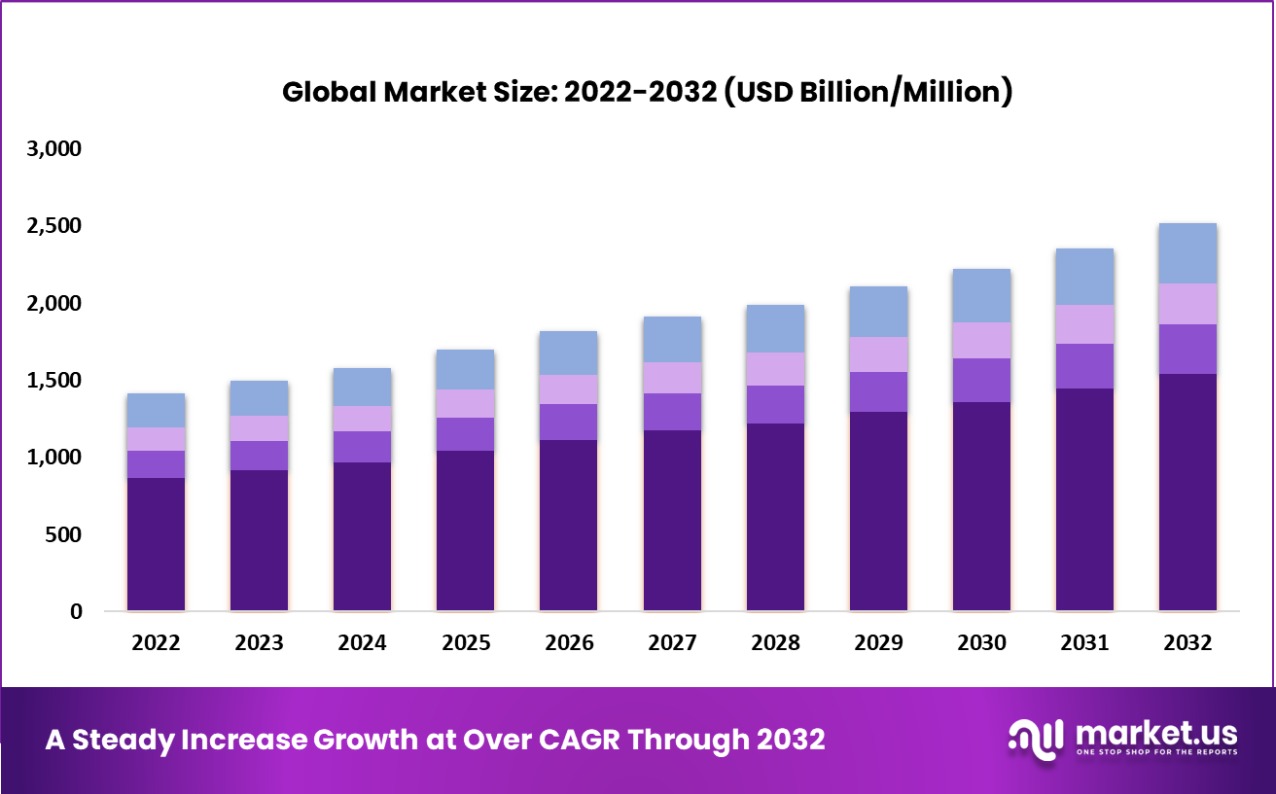
- The global wearable display market is expected to grow significantly in the coming years.
- The market is being driven by the increasing popularity of wearable devices, the growing demand for personalized experiences, and the rising disposable incomes of people in developing countries.
- The North American market is expected to lead the global market during the forecast period.
- The Asia Pacific market is expected to be the fastest-growing market during the forecast period.
- The key players in the global market include Apple, Google, Samsung, Sony, and Microsoft.
For insights on global, regional, and country-level parameters with growth opportunities from 2023 to 2033 | Download a sample report
Figure
The Impact of AI in the Wearable Display Market
Artificial intelligence (AI) is having a significant impact on the wearable display market. AI is being used to improve the functionality of wearable displays, make them more user-friendly, and personalize the user experience.
Accelerated AI Adoption in Wearable Display Market
The adoption of AI in the wearable display market is accelerating. This is due to the increasing benefits of AI for wearable displays, such as improved functionality, user-friendliness, and personalization.
Applications of AI in Wearable Display
AI is being used in wearable displays for a variety of applications, including:
- Healthcare: AI is being used in wearable displays to monitor health data, provide medical advice, and diagnose diseases.
- Fitness: AI is being used in wearable displays to track fitness data, provide workout plans, and motivate users to stay active.
- Gaming: AI is being used in wearable displays to create more immersive and engaging gaming experiences.
- Others: AI is also being used in wearable displays for a variety of other applications, such as navigation, translation, and customer service.
Immediate Delivery Available | Buy This Premium Research Report@ https://market.us/purchase-report/?report_id=26458
Benefits of AI in Wearable Display
The use of AI in wearable displays offers a number of benefits, including:
- Improved functionality: AI can be used to improve the functionality of wearable displays by making them more intelligent and capable. For example, AI can be used to recognize objects and environments, translate languages, and provide real-time feedback.
- User-friendliness: AI can be used to make wearable displays more user-friendly by making them more intuitive and easy to use. For example, AI can be used to provide personalized instructions and recommendations and to answer user questions.
- Personalization: AI can be used to personalize the user experience of wearable displays by tailoring the content and functionality to the individual user’s needs and preferences. For example, AI can be used to recommend content, provide personalized feedback, and track progress.
Market Growth Factors
The following are some of the factors that are driving the growth of the global wearable display market:
- Increasing popularity of wearable devices
- Growing demand for personalized experiences
- Rising disposable incomes of people in developing countries
- Technological advancements in wearable displays
- Increasing adoption of wearable displays in the healthcare and fitness industries
Challenges of AI in Wearable Display
The use of AI in wearable displays also presents a number of challenges, including:
- Data privacy: AI requires large amounts of data to train and operate effectively. This raises concerns about data privacy and security.
- Complexity: AI is a complex technology, and it can be difficult to develop and deploy AI-powered wearable displays.
- Cost: AI-powered wearable displays can be more expensive than traditional wearable displays.
The Largest and Fastest Growing market
The largest market for wearable displays is North America, followed by Europe and Asia Pacific. The fastest-growing market is Asia Pacific, due to the increasing popularity of wearable devices and the rising disposable incomes of people in the region.
Country wise Top Importers
The top importers of wearable displays in 2022 were:
- United States
- China
- Germany
- Japan
- South Korea
Country wise Top Exporters
The top exporters of wearable displays in 2022 were:
- China
- South Korea
- Japan
- Taiwan
- United States
Market Dynamics
Drivers
The following are the key drivers of the global wearable display market:
- Increasing popularity of wearable devices
- Growing demand for personalized experiences
- Rising disposable incomes of people in developing countries
- Technological advancements in wearable displays
- Increasing adoption of wearable displays in the healthcare and fitness industries
Restraints
The following are the key restraints of the global wearable display market:
- High cost of development and marketing
- Lack of awareness about wearable displays
- Fragmentation of the market
Challenges
The following are the key challenges of the global wearable display market:
- High cost of development and marketing
- Lack of awareness about wearable displays
- Fragmentation of the market
- Technological challenges
- Battery life issues
Key Market Segments
Type
- By Panel Type
- Rigid
- Flexible
- MIcrodisplay
- By Display Technology
- LED-Backlit LCD
- OLED
Application
- Consumer
- Military & Defense
- Healthcare
- Others
Key Market Players included in the report:
- Samsung Electronics
- LG Display
- AU Optronics
- Japan Display
- Sharp (Foxconn)
- BOE Technology
- Tianma Microelectronics
- Kopin Corporation
- Truly Semiconductors
- Emagin Corporation
- Hannstar Display
- Varitronix International
- TCL Display Technology
- Yunnan Olightek
- Lumus Vision
- Dresden Microdisplay
- Jasper Display
- Raontech
- E Ink
- Neovel Technologies
Future of AI in Wearable Display
The future of AI in wearable display is bright. AI is expected to play an increasingly important role in the development and evolution of wearable displays. AI is expected to be used to improve the functionality, user-friendliness, and personalization of wearable displays. As AI technology continues to develop, it is likely that wearable displays will become even more intelligent, capable, and user-friendly.
FAQs
What is a wearable display?
A wearable display is a display device that is worn on the body. Wearable displays can be used for a variety of purposes, such as gaming, navigation, and fitness tracking.
What are the benefits of using a wearable display?
There are many benefits to using a wearable display, including:
- Convenience: Wearable displays can be used to access information and perform tasks without having to take out your phone or computer.
- Efficiency: Wearable displays can help you save time and be more productive by providing you with information and notifications at a glance.
- Personalization: Wearable displays can be customized to your individual needs and preferences.
- Health and fitness: Wearable displays can be used to track your health and fitness data, and provide you with feedback and motivation.
- Entertainment: Wearable displays can be used to watch videos, listen to music, and play games.
What are the limitations of using a wearable display?
There are a few limitations to using a wearable display, including:
- Battery life: Wearable displays typically have shorter battery life than traditional devices.
- Cost: Wearable displays can be more expensive than traditional devices.
- Privacy: Wearable displays can raise privacy concerns, as they can collect a lot of personal data.
- Safety: Wearable displays can be a safety hazard, as they can distract you from your surroundings.
Explore More Reports
- Smart Door Lock Market Growth Rate By 2033
- Car Air Purifier Market Trends and Forecast by 2023-2033
- Agricultural Biotechnology Market Analysis and Growth in 2023
- Collision Avoidance Sensor Market Size Analysis (2023-2033)
- Advanced Driver Assistance Systems Market Supply and Demand 2023
- Active Aerodynamic Market Trend Analysis Report by 2033
- Automotive 3D Printing Market Global Report [PDF – 2023]
- Automotive Predictive Maintenance Market Growth Rate By 2033
- Blind Spot Alert System Market Trends and Forecast by 2023-2033
- Biometric Seat Technology Market Analysis and Growth in 2023
- Augmented Reality Windshield Market Size Analysis (2023-2033)
- Coronary Stents Market Supply and Demand 2023
- Chlorine Market Trend Analysis Report by 2033