The Satellite Remote Sensing market is propelled by several key drivers that significantly influence its growth and development. These drivers are instrumental in shaping the market landscape and creating opportunities for businesses operating in this industry. Rapid advancements in technology play a pivotal role in driving the Satellite Remote Sensing market. Innovations have revolutionized the way Satellite Remote Sensing products and services are developed, produced, and utilized. These technological breakthroughs enhance efficiency, improve performance, and open up new possibilities for businesses in the market.
Collaborative efforts and research in the Satellite Remote Sensing industry foster innovation and drive market growth. Companies, research institutions, and startups are joining forces to develop new and improved Satellite Remote Sensing solutions, leading to enhanced product offerings and market expansion. The Satellite Remote Sensing market is influenced by technological advancements, environmental awareness, government support, cost efficiency, increasing energy demand, and collaborative research efforts. Understanding and leveraging these drivers is crucial for businesses to stay competitive and capitalize on the vast potential offered by the dynamic Satellite Remote Sensing market.
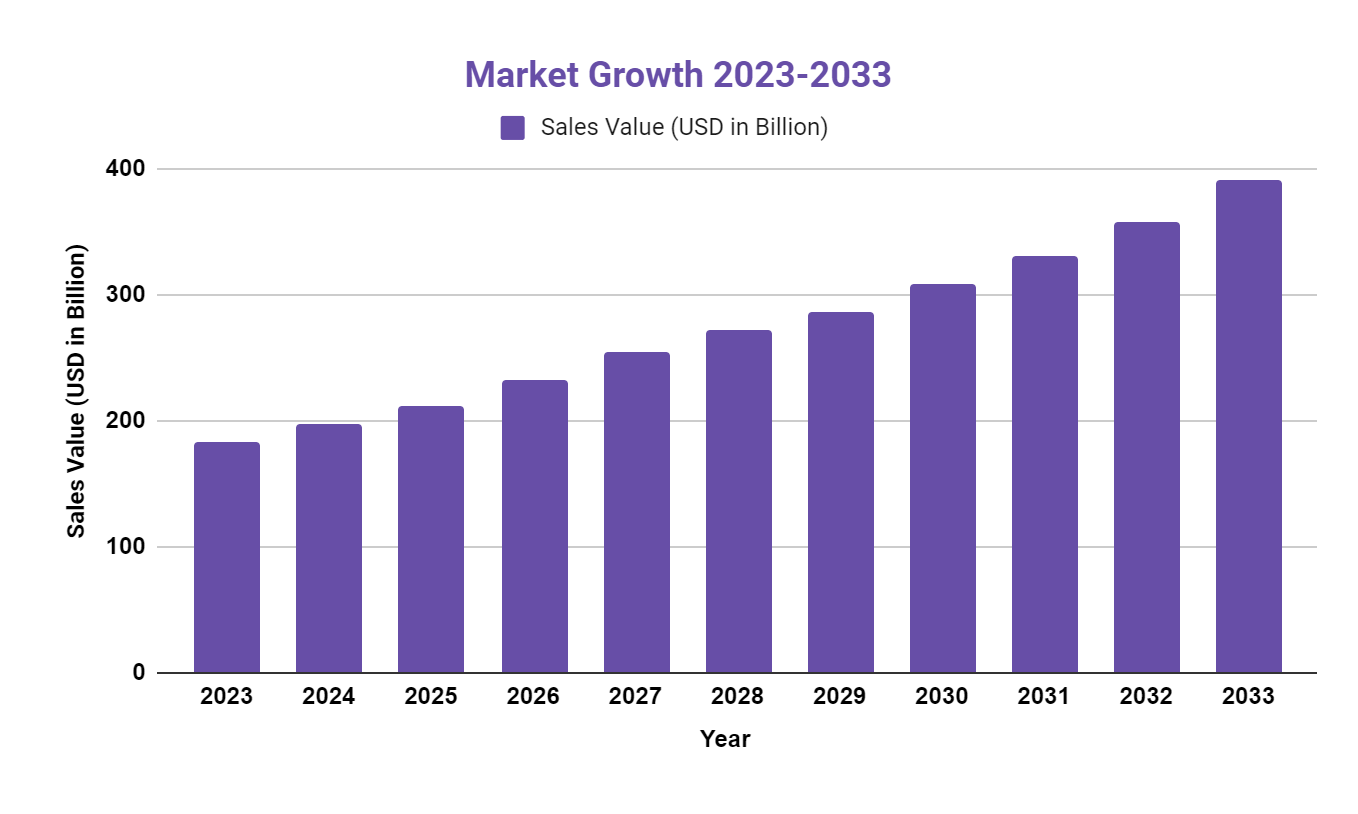
The Satellite Remote Sensing market competitor analysis is a critical component for businesses to assess their competitive landscape and make informed strategic decisions. Understanding the strengths and weaknesses of key competitors provides valuable insights into market positioning and helps identify potential opportunities and threats. The Satellite Remote Sensing market competitor analysis highlights the diverse strengths and strategies of key players.
Top Key Market Players:
Airbus Defence and Space
Ball Aerospace
Boeing
Lockheed Martin
Thales Alenia Space
ImageSat International N.V
Maxar Technologies
China Aerospace Science and Technology Corporation
Orbital ATK
MDA Information Systems
Mitsubishi Electric
SSTL
UrtheCast
The Satellite Remote Sensing market segmentation is a process of categorizing the market into distinct groups based on specific criteria. This segmentation helps businesses better understand their target audience, tailor their marketing strategies, and address the unique needs of different customer segments. The Satellite Remote Sensing market can be segmented in the following ways:
Type Wise Segmentation:
By Technology Platforms
Airborne Platforms
Spaceborne Platforms
By Spatial Resolution
Low Resolution
Medium Resolution
High Resolution
Very High Resolution
Application Wise Segmentation:
Agricultural & Soil Studies
Natural Resources Monitoring & Conservation
Cartography
Geology & Mineral Resources Mapping
Meteorology & Oceanic Studies
Other
By analyzing the Satellite Remote Sensing market through segmentation, businesses can develop targeted marketing campaigns, tailor product offerings, and optimize their business strategies to meet the diverse needs of each segment.
The regional analysis of the Satellite Remote Sensing market is a comprehensive evaluation of its performance and dynamics across different geographical areas. Understanding regional trends and factors influencing market growth in specific locations is essential for businesses to make informed decisions and capitalize on local opportunities. Here is a regional analysis of the Satellite Remote Sensing market:
• North America (United States, Canada, Mexico)
• South America (Brazil, Argentina, Ecuador, Chile)
• Asia Pacific (China, Japan, India, Korea)
• Europe (Germany, UK, France, Italy)
• Middle East Africa (Egypt, Turkey, Saudi Arabia, Iran), and many more.
Each region’s unique characteristics, including regulatory frameworks, energy policies, natural resources, and market maturity, influence the Satellite Remote Sensing market’s growth trajectory. Businesses operating in the Satellite Remote Sensing sector can utilize this regional analysis to tailor their strategies, address regional challenges, and leverage opportunities for sustainable growth in the global market.
In conclusion, the Satellite Remote Sensing market demonstrates a promising future characterized by robust growth and significant potential. The market is driven by technological advancements, increasing environmental awareness, and supportive government initiatives. As businesses and consumers alike prioritize sustainability and energy efficiency, the demand for Satellite Remote Sensing solutions continues to rise.
CONTACT US:
Mr. Lawrence John,
Market.us (Powered By Prudour Pvt. Ltd.)
Email: [email protected]
Address:
420 Lexington Avenue,
Suite 300 New York City,
NY 10170, United States
Tel: +1 718 618 4351